

A healthy energy diet is about eating foods that keep you strong and alert. It is not about strict restrictions, but about balance. When your body gets the right nutrients, you feel energised throughout the day. This approach to food helps you avoid crashes, fatigue, and poor concentration.
By focusing on wholesome meals, you nourish your body while also improving your mental clarity. Choosing this lifestyle makes daily tasks easier and helps you maintain long-term health. It also gives you confidence in your eating habits and supports an active, fulfilling lifestyle.
Why Choose a Healthy Energy Diet
Living on processed foods may give a quick boost, but it fades fast. A healthy energy diet provides stable fuel for your body. It supports both physical activity and mental performance. Unlike sugary snacks, this way of eating balances blood sugar levels and avoids energy dips.
With consistent energy, you can stay productive and active longer. This balance also supports weight management and overall wellness. Over time, you notice greater stamina, clearer focus, and a more positive mood.
Benefits for Daily Life

Eating smart keeps you focused at work or school. It helps you stay calm under stress and improves memory. Energy-rich foods also support better sleep, which restores both body and mind. When you rest well, you wake up refreshed and ready to start the day.
This steady energy supports stronger productivity and reduces the risk of burnout. It also makes it easier to enjoy hobbies and social activities without feeling drained.
Long-Term Health Impact
A healthy energy diet lowers the risk of lifestyle diseases. It protects your heart and supports healthy digestion. Over time, it builds strong immunity and reduces inflammation. Consistency is key to gaining these long-term benefits.
When combined with an active lifestyle, the results are even more powerful. This approach creates a foundation for lifelong wellness and resilience.
Core Foods in a Healthy Energy Diet
The heart of this diet lies in whole, unprocessed foods. These include fresh fruits, vegetables, whole grains, lean proteins, and healthy fats. Each group plays a vital role in energy production. When combined, they provide steady fuel and balanced nutrition.
Adding variety ensures your meals stay interesting and fulfilling. Eating with colour, texture, and flavour makes the diet sustainable and enjoyable.
Power of Whole Grains
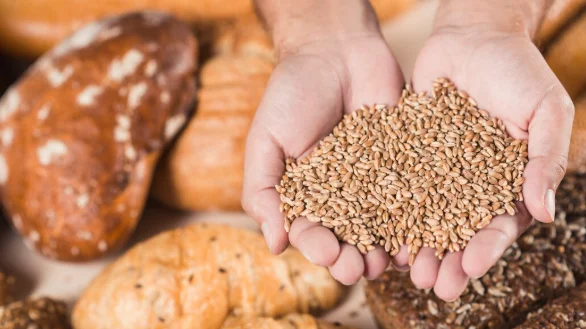
Whole grains such as oats, brown rice, and quinoa release energy slowly. They are rich in fibre, which helps digestion and stabilises blood sugar. Eating them keeps you satisfied for longer periods.
Unlike refined grains, they do not cause sudden spikes in energy followed by sharp drops. Whole grains also supply important minerals like magnesium and iron. These nutrients help keep your muscles and brain functioning smoothly.
Role of Lean Proteins
Proteins from chicken, fish, beans, and lentils help rebuild and repair the body. They also support muscle growth and strength. Lean proteins stabilise hunger and keep energy steady between meals.
They are best when paired with vegetables and grains for balance. Protein is also important for hormone balance and tissue repair. Including it regularly makes recovery from daily stress much faster.
Healthy Fats for Lasting Energy
Fats are often misunderstood, but healthy fats are essential. They help absorb vitamins and protect brain health. Good sources include avocados, nuts, seeds, and olive oil. These fats keep you full and fuel your body for longer.
When added to meals, they prevent energy crashes. A diet rich in these fats supports glowing skin and strong hair. It also reduces inflammation, which keeps your body feeling lighter and more active.
Omega-3 Benefits
Omega-3 fats from fish like salmon support heart health. They also sharpen focus and reduce inflammation. Eating them regularly enhances both energy and mood. These fats play a vital role in brain function and memory.
They are also linked with reduced anxiety and depression. Including them at least twice a week gives you both short-term and long-term benefits.
Plant-Based Fat Options
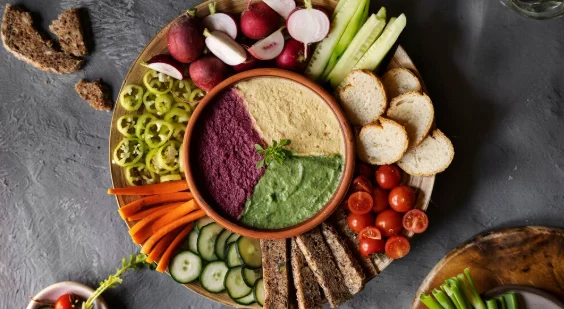
If you prefer plant-based meals, seeds and nuts are excellent choices. Chia seeds, flaxseeds, and almonds supply both energy and nutrients. They also add crunch and flavour to meals, making healthy eating enjoyable.
Plant fats are also versatile and can be added to smoothies, salads, or baked dishes. This makes them an easy and flexible choice for everyday diets.
Fruits and Vegetables as Energy Boosters
Colourful produce is packed with vitamins, minerals, and antioxidants. They protect your body from stress and support strong immunity. Fresh fruits offer natural sugars for quick energy. Vegetables provide fibre that keeps digestion smooth and energy stable.
A variety of colours ensures you get a wide range of nutrients. Eating them daily helps keep your body nourished and balanced.
Fruit for Quick Energy

Bananas, apples, and berries are perfect for snacks. They deliver natural energy without causing sudden spikes. Pairing fruit with protein or nuts balances sugar levels further. This combination keeps hunger under control. Fresh fruit also hydrates the body due to its high water content. It is a refreshing option for both children and adults.
Vegetables for Sustained Fuel
Leafy greens like spinach and kale provide iron and magnesium. These minerals fight tiredness and support strong muscles. Root vegetables such as sweet potatoes give lasting energy due to complex carbs. Eating them daily keeps your diet balanced and energising.
Cooking them in different ways also adds variety and prevents boredom. From roasting to steaming, the options are endless and tasty.
Hydration and Healthy Energy Diet
Water is a key part of any healthy energy diet. Even mild dehydration can cause fatigue and poor focus. Drinking enough water keeps your body working smoothly. It also aids digestion and supports the transport of nutrients.
Staying hydrated makes your skin glow and boosts metabolism. It also helps prevent unnecessary snacking, as thirst is often mistaken for hunger.
Importance of Water

Start your day with a glass of water to wake up your system. Throughout the day, sip water to avoid energy slumps. Carrying a bottle helps you stay consistent with hydration. Making water a habit is one of the simplest health choices. It supports your body in every activity, from exercise to sleep.
Other Hydrating Options
Herbal teas, coconut water, and fresh juices add variety. They also provide vitamins and minerals that boost overall health. Avoid sugary drinks, as they drain energy instead of supporting it. Choosing natural drinks helps you stay refreshed and nourished.
Adding lemon or cucumber slices can also make plain water more appealing. These small changes encourage better hydration habits.
Meal Planning for a Healthy Energy Diet
Planning meals ensures balance and consistency. It helps you avoid processed options when hungry. Preparing meals ahead saves time and supports better choices. Balanced meals combine carbs, protein, fats, and vegetables. Planning also reduces stress about what to eat each day. It creates a routine that keeps you on track and motivated.
Breakfast for a Healthy Energy Diet
Start your day with oats topped with fruits and seeds. This meal provides fibre, protein, and natural sugars for energy. A balanced breakfast sets the tone for the rest of the day. Adding yoghurt or nut butter can make it more satisfying. A good breakfast prevents mid-morning fatigue and keeps your focus sharp.
Lunch and Dinner Options

Grilled chicken with quinoa and vegetables is simple yet powerful. Fish with brown rice and greens is another balanced choice. For plant-based meals, lentils with roasted vegetables work well. These meals are easy to prepare and full of flavour. They provide energy without feeling heavy, keeping you active all day.
Snacking Smart for a Healthy Energy Diet
Snacks can either help or harm energy levels. Healthy snacks prevent overeating and keep focus sharp. They are best when combining protein and carbs. Choose whole food options over packaged snacks. Smart snacking keeps metabolism steady and improves concentration. It also reduces cravings for unhealthy processed foods.
Quick Healthy Snacks
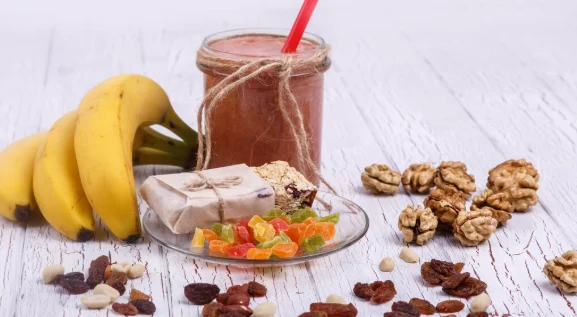
Greek yoghurt with berries or hummus with carrots are great. Nuts with a piece of fruit make another balanced choice. These snacks fuel your body without slowing you down. They are quick, portable, and easy to prepare. This makes healthy snacking realistic for busy lifestyles.
Avoiding Processed Snacks
Chips, sweets, and pastries cause quick spikes and crashes. They leave you feeling tired soon after eating. Replacing them with fresh or whole foods keeps energy stable. Processed snacks also add unnecessary sugar and salt to your diet. Limiting them makes room for healthier, more nourishing options.
Lifestyle Habits Supporting a Healthy Energy Diet
Food is important, but lifestyle habits matter too. Regular exercise improves circulation and energy levels. Proper sleep restores your body and mind. Stress management supports both digestion and focus. Together, these habits maximise diet benefits. A balanced lifestyle builds resilience and improves overall quality of life.
Exercise and Movement

Daily activity helps regulate appetite and energy. Even walking boosts mood and sharpens focus. Exercise works best when paired with balanced meals. A mix of cardio, strength, and flexibility keeps your body strong. This combination also supports long-lasting energy and endurance.
Sleep and Rest
Seven to eight hours of quality sleep keeps you energised. Poor sleep leads to cravings and low productivity. Resting well is just as important as eating well. A bedtime routine helps you unwind and sleep more deeply. Quality rest allows your body to repair and recharge effectively.
Updated Advice and New Trends
Recent research shows that time-restricted eating may improve energy. Eating meals within a set time window supports metabolism and focus. Another growing trend is plant-forward eating. It emphasises more vegetables and plant proteins, with less meat.
These changes may help balance energy levels better. Staying informed and flexible ensures your healthy energy diet remains effective and enjoyable. It also allows you to try new foods and cooking styles, keeping your meals exciting.