
Nutrition plays a vital role during pregnancy, and one of the most important nutrients is protein. It supports the growth of the fetus, the expansion of maternal tissues, and the production of enzymes and hormones necessary for a healthy pregnancy. As protein needs increase, many women consider adding protein shakes for convenience. But the question arises: are protein shakes in pregnancy safe?
This guide explores the safety of protein shakes in pregnancy, their potential benefits, the risks to consider, how to choose the right products, and the whole-food alternatives that should form the foundation of a pregnancy diet.
Why Protein Is Essential During Pregnancy
Protein is the building block of life. For pregnant women, adequate protein supports both maternal and fetal health in multiple ways:
-
Assists in the development of fetal tissues, including the brain.
-
Helps build the placenta and maternal blood supply.
-
Maintains healthy amniotic fluid levels.
-
Supports maternal muscle and tissue repair.
According to research, protein requirements increase to about 1.1 grams per kilogram of body weight per day during the second and third trimesters (Healthline). For a woman weighing 70 kilograms, that equals around 77 grams of protein daily. Meeting this target solely through food is ideal, but not always easy, especially when nausea, morning sickness, or dietary restrictions are present.
Can You Rely on Protein Shakes in Pregnancy?
The Convenience Factor
Protein shakes offer a quick and easy way to boost intake. They are particularly helpful for women who:
-
Experience loss of appetite or nausea.
-
Follow a vegetarian or vegan diet with limited protein sources.
-
Have busy lifestyles where balanced meals are difficult to prepare.
In such cases, protein shakes in pregnancy can be a convenient supplement.
Expert Warnings
However, health experts caution against relying heavily on protein powders. The World Health Organization (WHO) has noted that high-protein supplementation without balance may be harmful for the fetus, while balanced energy protein supplements can support undernourished women (WHO).
Similarly, the National Academies of Medicine recommend avoiding specially formulated high-protein supplements during pregnancy, instead encouraging women to prioritize whole-food protein sources (NCBI).
Potential Benefits of Protein Shakes in Pregnancy
When used cautiously and under medical guidance, protein shakes in pregnancy may offer several advantages:
-
Filling nutrition gaps when appetite is low.
-
Supporting growth needs in the second and third trimesters.
-
Convenience for women with busy schedules.
-
Plant-based options for vegetarians or vegans.
-
Easier digestion compared to heavy protein meals, especially during nausea.
Risks of Protein Shakes in Pregnancy
Despite their benefits, there are potential downsides:
-
Unregulated Industry
Protein powders are dietary supplements, not medications. They are not strictly regulated and may contain contaminants like heavy metals or undeclared ingredients (Parents.com). -
Additives and Fillers
Many powders include caffeine, artificial sweeteners, sugar, or herbal extracts that are unsafe in pregnancy (MotherToBaby). -
Excessive Nutrients
Some are fortified with high doses of vitamins or minerals, which can lead to unsafe levels for pregnant women. For example, too much vitamin A can be toxic for the fetus. -
High Protein Risks
Over-supplementation with protein may stress the kidneys and affect fetal growth negatively. Balance with carbohydrates and fats is essential (WHO).
How to Choose Safe Protein Shakes in Pregnancy
If you and your healthcare provider decide protein shakes are appropriate, consider these guidelines:
-
Choose third-party tested brands to avoid contamination.
-
Opt for plain powders without unnecessary additives.
-
Avoid herbal blends whose safety has not been proven in pregnancy.
-
Check sugar content and avoid products with excessive added sugars.
-
Select simple protein sources like whey, pea, rice, or hemp protein.
-
Avoid caffeinated options such as those containing green tea extract.
Whole-Food Protein Sources: The Safer Foundation
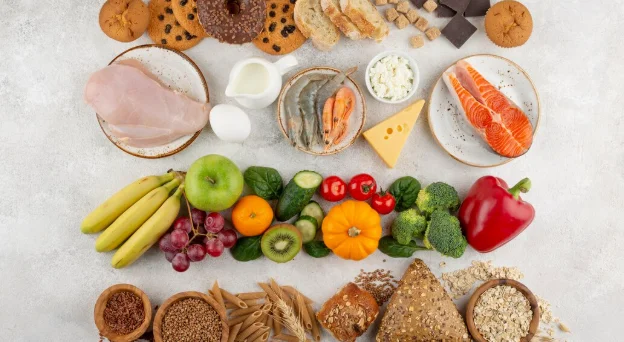
Even if you occasionally use protein shakes in pregnancy, whole foods should remain the cornerstone of your diet. Safe, nutrient-dense options include:
-
Lean meats and poultry.
-
Cooked low-mercury fish such as salmon or sardines.
-
Eggs and pasteurized dairy products.
-
Legumes like beans, chickpeas, and lentils.
-
Tofu, tempeh, nuts, and seeds.
-
Whole grains like quinoa and oats.
These foods not only provide protein but also vitamins, minerals, and healthy fats essential for fetal development (Ready Set Grow Nutrition).
Situations Where Protein Shakes May Be Helpful
While not essential, protein shakes in pregnancy may be particularly useful when:
-
You have severe nausea or food aversions.
-
You are recovering from illness and are unable to eat solid meals.
-
You follow a vegan or a vegetarian diet with limited protein options.
-
You need extra calories and protein in the third trimester.
In all cases, shakes should supplement rather than replace meals.
Healthy Homemade Protein Shake Ideas
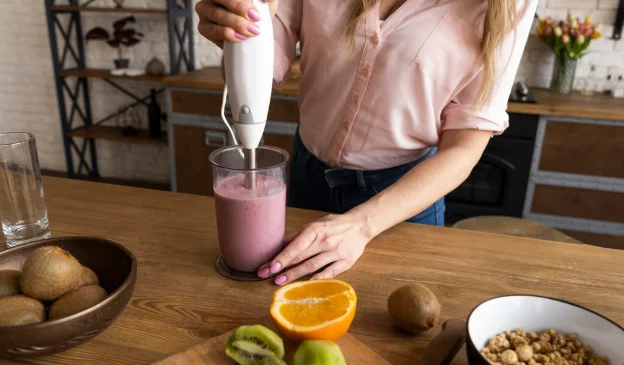
Instead of relying on commercial powders, you can prepare natural protein shakes at home with whole ingredients. Examples include:
-
Greek Yogurt and Berry Shake: Blend plain Greek yogurt with mixed berries, oats, and a drizzle of honey.
-
Nut Butter Banana Smoothie: Combine peanut butter, banana, and milk for a protein boost.
-
Oat and Almond Shake: Blend soaked oats, almond butter, and almond milk for a plant-based option.
These homemade shakes allow full control over ingredients and avoid hidden additives.
Key Takeaways
-
Protein needs increase during pregnancy, reaching around 1.1 g/kg body weight in later stages.
-
Whole foods should be the primary source of protein.
-
Protein shakes in pregnancy may be safe in moderation if chosen carefully and approved by a healthcare provider.
-
Avoid products with additives, herbal blends, excess vitamins, or caffeine.
-
Use shakes as a supplement, not a replacement for balanced meals.