
When people ask how long it takes to lose 30 pounds, they usually want clear and practical guidance. Weight loss depends on many factors such as calorie intake, metabolism, and physical activity. Knowing the basics of fat loss helps set realistic goals and avoid disappointment. A healthy approach is always more sustainable than quick fixes.
Losing weight happens when you create a calorie deficit. This means you burn more calories than you consume each day. One pound of fat equals about 3,500 calories.
To lose 30 pounds, you need a total deficit of around 105,000 calories. While this sounds like a lot, breaking it into smaller goals makes the journey more manageable and achievable.
The Math Behind Losing 30 Pounds

Calorie Deficit and Weight Loss
To understand the timeline, you must first calculate your daily calorie needs. Most adults require between 1,600 and 2,400 calories depending on age, gender, and activity levels.
If you eat 500 fewer calories per day than your body needs, you create a deficit that leads to about one pound of fat loss per week. This means steady progress over time without extreme restrictions.
If you cut 1,000 calories per day, the average weekly loss may reach two pounds. In that case, reaching the 30-pound target could take about 15 weeks or nearly four months. However, this speed is not always safe or sustainable for everyone. Maintaining balance between nutrition, energy, and overall health is key.
Realistic Timeline to Lose 30 Pounds
On average, a realistic timeline is about four to seven months. This allows your body to adapt without too much stress. Faster weight loss can lead to fatigue, nutrient deficiencies, or even weight regain later.
Setting steady goals and allowing flexibility ensures long-term success. Remember that weight loss is not always linear. Plateaus are normal and should not discourage you.
Factors That Affect How Long It Takes to Lose 30 Pounds
Metabolism and Body Composition

Your metabolism plays a major role in how quickly you can lose weight. People with more lean muscle often burn more calories at rest than those with higher body fat percentages. Age and genetics also impact how efficiently your body burns energy. Building muscle through resistance training can help improve results.
Daily Exercise: How Long Does It Take to Lose 30 Pounds
Physical activity can speed up progress. Even walking for 30 minutes daily makes a difference. Adding workouts like cycling, swimming, or weightlifting increases calorie burn and supports overall health. Exercise also helps preserve muscle while dieting, which is important for maintaining metabolism.
Consistency and Mindset
Consistency is more powerful than perfection. If you follow your plan most days of the week, you will see results over time. Occasional treats or missed workouts will not ruin progress if you return to your routine quickly. Staying motivated and positive is just as important as tracking calories or exercise.
Healthy Ways to Lose 30 Pounds
Balanced Diet Approach
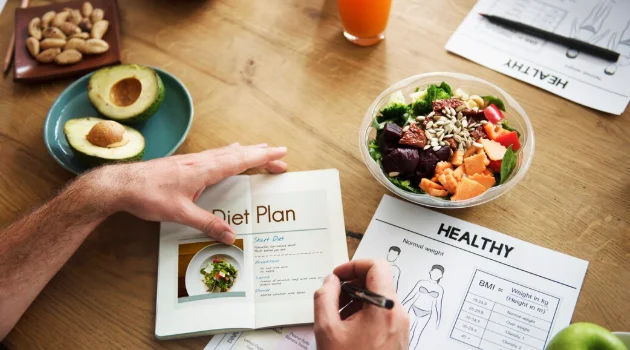
Instead of cutting calories too low, focus on nutrient-dense foods. Choose lean proteins, whole grains, fruits, vegetables, and healthy fats. These foods keep you fuller for longer and prevent cravings. Eating three balanced meals and one or two small snacks can help manage hunger without overeating.
Hydration and Lifestyle Habits
Water is essential for fat loss. Staying hydrated helps with digestion, energy, and appetite control. Sleep is another key factor. Poor sleep disrupts hormones and can slow down weight loss. Managing stress through activities like yoga or meditation can also support a healthier lifestyle.
How Long to Lose 30 Pounds on Different Plans
Diet-Only Approach
If you only reduce calories without exercise, the process might take longer. At a moderate 500-calorie deficit per day, the 30-pound goal may take about seven months. This approach works, but it may slow your metabolism if done without physical activity.
Diet and Exercise Together
Combining both methods gives the best results. Eating in a controlled calorie range while staying active can shorten the timeline to four or five months. Exercise not only burns calories but also improves mood, energy, and sleep quality. A balanced strategy is the healthiest and most sustainable option.
The First Weeks of Weight Loss
Initial Weight Loss
In the first two weeks, you might notice a faster drop on the scale. This is often due to losing stored water and glycogen rather than fat. While it feels encouraging, it is important to recognise this as temporary. Real fat loss happens more gradually over the following months.
Slower but Steady Progress
After the initial stage, progress usually slows to one or two pounds per week. This slower rate is normal and healthier for your body. Remember that even small changes add up to big results over time. Patience and persistence are essential for lasting success.
Challenges in How Long Does It Take to Lose 30 Pounds
Weight Loss Plateaus
At some point, you may stop losing weight for a while. Plateaus happen when your body adjusts to lower calorie intake. Increasing activity or slightly reducing calories can help push past this stage. Keeping a food journal may also reveal hidden calories that slow progress.
Motivation and Cravings

Cravings are normal when you reduce calories. Instead of strict restriction, allow yourself occasional treats in moderation. Finding healthier alternatives can also help satisfy cravings without derailing progress. Staying connected to your goals will help keep you on track.
Updated Insights on Losing 30 Pounds
Recent studies show that personalisation is key to weight loss success. Instead of one-size-fits-all diets, people benefit more from plans tailored to their lifestyle, genetics, and health conditions. Tracking apps, wearable devices, and professional guidance are now widely used tools to support progress.
Another trend is focusing less on the number on the scale and more on overall health markers. Improvements in blood sugar, blood pressure, and energy levels are just as important as losing pounds. Building sustainable habits is now considered the true goal of a weight loss journey.
Conclusion
So, how long does it take to lose 30 pounds? On average, expect four to seven months, depending on your diet, activity, and consistency. The journey is different for everyone, but patience and balance lead to lasting results. With the right mindset, healthy food choices, and regular activity, you can reach your goal and maintain it.