

Are you asking yourself how much weight you can lose in 3 months? Many people set this exact goal when they start a new fitness or diet journey. The idea of losing weight in a short timeframe feels exciting, but it also raises questions about what is realistic and healthy.
In this guide, we will explore safe expectations, expert-backed methods, and the best tips to help you make progress over 12 weeks. You will also learn why slow and steady often beats extreme approaches, and how to stay motivated along the way.
How Much Weight Can You Lose in 3 Months
Setting realistic goals helps you stay motivated without burning out. The healthy average weight loss is about 1 to 2 pounds per week. That means in 3 months, you could lose between 12 and 24 pounds. Some people may lose a bit more in the beginning, especially if they cut processed foods and reduce water weight, but the focus should be on long-term fat loss.
Your current weight, age, sex, activity level, and health conditions all affect your results. Some people drop weight faster while others see slower changes, but both paths are completely normal. The most important thing is consistency.
Is It Safe to Aim for Faster Results?

Many people want to lose more than 25 pounds in 3 months, but aiming too high can lead to disappointment. Losing weight too fast often means losing muscle, water, and essential nutrients instead of fat. It also increases the risk of regaining weight once you stop strict habits.
Doctors usually recommend avoiding crash diets, extreme workouts, or supplements that promise rapid results. Instead, balance your meals, create a calorie deficit, and exercise regularly for safe and sustainable progress.
Role of Diet in How Much Weight You Can Lose in 3 Months
Diet is the foundation of weight loss. Even if you exercise, what you eat makes the biggest difference. Creating a calorie deficit by eating fewer calories than you burn helps you lose weight steadily.
Choosing whole, nutrient-rich foods not only supports weight loss but also boosts energy. This makes it easier to stick with your plan for the full 3 months without feeling drained or restricted.
Creating a Calorie Deficit Safely
A safe calorie deficit is around 500 to 750 calories a day. This usually leads to 1 to 2 pounds of weight loss per week. Eating too little can backfire, making you tired and slowing your metabolism.
Focus on portion control, but do not skip meals. Consistency with balanced meals is far more effective than sudden extreme restrictions that are hard to maintain.
Best Foods for Weight Loss in 3 Months
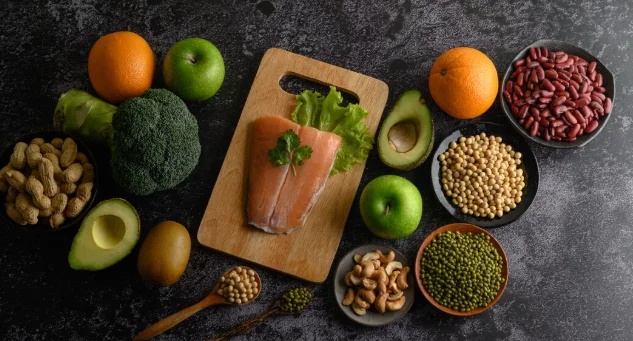
Eating filling foods makes it easier to stick to your calorie goal. Protein-rich foods such as chicken, eggs, fish, beans, and tofu keep you full longer. Fibre from vegetables, fruits, whole grains, and legumes helps manage hunger and improve digestion.
Healthy fats from avocados, nuts, seeds, and olive oil are also important. They give you energy and prevent cravings that come with low-fat crash diets. Choosing fresh, whole foods over processed options will support steady progress.
Exercise and How Much Weight You Can Lose in 3 Months
Exercise speeds up results by burning calories and boosting metabolism. It also improves mood, strengthens muscles, and supports long-term weight maintenance. A mix of cardio and strength training works best for fat loss.
While diet alone can create weight loss, exercise makes your body stronger and more toned, helping you feel the difference faster. Even light activity can make a positive impact over 12 weeks.
Best Cardio for Steady Fat Loss

Cardio exercises such as brisk walking, jogging, cycling, or swimming are great choices. Aim for at least 150 minutes of moderate activity each week. This could be 30 minutes a day, five days a week.
High-intensity interval training (HIIT) is another option. These short bursts of intense activity followed by rest periods can burn calories quickly. However, beginners should start slowly and build up gradually.
Why Strength Training Matters
Strength training builds muscle, and muscle burns more calories than fat, even at rest. Simple bodyweight exercises like squats, lunges, and push-ups work well for beginners. Over time, adding resistance with weights or resistance bands can speed up progress.
A routine that includes both cardio and strength training helps you lose fat while maintaining lean muscle, leading to a healthier body shape.
Lifestyle Changes That Boost Progress
Weight loss is not just about food and exercise. Lifestyle habits play a big role in whether you succeed over 3 months. Small daily changes add up and can make a big difference in your results.
Better sleep, stress management, and consistency with healthy routines help you avoid setbacks. The more balanced your lifestyle, the easier it becomes to lose weight naturally.
Sleep and How Much Weight You Can Lose in 3 Months
Lack of sleep makes weight loss harder. Studies show that poor sleep increases hunger hormones and cravings for high-calorie foods. Aim for 7 to 9 hours of sleep each night to support healthy progress.
Good sleep also helps your body recover from exercise and reduces stress, which can otherwise lead to emotional eating. Creating a bedtime routine can help you sleep more consistently.
Stress and Emotional Eating

Stress can trigger cravings for sugary and fatty foods. Over three months, this can slow down your progress. Finding healthy ways to manage stress, such as meditation, journaling, or walking, can reduce emotional eating.
Building a supportive environment also helps. Share your goals with friends or family members who can encourage you instead of tempting you with unhealthy choices.
Setting Realistic Expectations for 3 Months
It is important to remind yourself that weight loss is not always linear. Some weeks you may lose more, and other weeks may show little change on the scale. This does not mean you are failing.
Measurements such as how clothes fit, your energy levels, and improvements in fitness often show progress even when the scale moves slowly. Staying consistent is what matters most over three months.
Why Quick Fixes Fail

Many quick-fix diets promise rapid results, but most people regain the weight once they stop. These diets are often too restrictive, making them unsustainable in the long run.
Instead, creating habits you can maintain beyond 3 months gives you the best chance of keeping the weight off for good. Slow, steady changes are more likely to become part of your lifestyle.
Healthy Goal Setting for Motivation Over 3 Months
Break your 3-month goal into smaller weekly targets. Celebrate each milestone to stay motivated. Progress photos, tracking workouts, or journaling can remind you how far you have come.
Focus on non-scale victories such as better sleep, more energy, or improved fitness. These achievements are just as important as the numbers on the scale.
Updated Insights and Trends for Weight Loss
Recent studies highlight the benefits of time-restricted eating, a form of intermittent fasting. Many people find it easier to manage calories by eating within a 10 to 12-hour window each day. This approach can support steady weight loss over 3 months without extreme restriction.
Another growing trend is mindful eating. Paying attention to hunger cues, eating slowly, and avoiding distractions during meals have been linked to reduced overeating. These small changes can make a big difference when combined with regular activity and good sleep.
Technology is also helping people stay consistent. Fitness apps, smartwatches, and online communities provide accountability, track progress, and keep motivation high. Using these tools over 12 weeks can help you stick with your plan.
Conclusion
So, how much weight can one lose in 3 months? A safe and realistic goal is 12 to 24 pounds, depending on your lifestyle, body, and consistency. While faster results may sound tempting, sustainable habits are the key to long-term success.
Focus on balanced eating, regular exercise, good sleep, and stress management to achieve steady progress. Stay patient, celebrate small wins, and remember that building healthy habits is more valuable than chasing quick fixes.
With the right approach, three months can be the start of a lasting transformation that goes beyond the scale.