

Losing weight takes time, patience, and a smart approach. Many people ask how much weight one can lose in 3 months without harming their health. The answer depends on lifestyle, diet, exercise, and individual body type.
Three months gives enough time to build healthy habits that last. You can achieve meaningful results if you stay consistent. Safe weight loss always focuses on gradual progress, not extreme methods.
Safe and Healthy Weight Loss in 3 Months
It is important to set realistic expectations when planning weight loss. Doctors often recommend losing 1 to 2 pounds weekly. Over three months, this equals 12 to 24 pounds safely.
This range allows your body to adjust slowly while keeping energy levels stable. Rushing weight loss with strict diets often backfires and leads to regain.
Why Gradual Progress Works Best (Steady Weight Loss in 3 Months)
Slow weight loss helps protect muscle mass while burning fat. Rapid loss often causes fatigue and nutrient gaps. Choosing steady progress makes long-term maintenance easier.
Consistency is the key. Sticking to daily routines builds habits that continue beyond three months. This makes results more sustainable.
Balancing Diet and Exercise for Results
Healthy eating combined with regular movement works best. Eating fewer calories while staying active encourages steady fat loss. Exercise also improves strength, mood, and metabolism.
Even simple changes like walking more or swapping sugary drinks for water make a big difference. Small adjustments add up to long-term success.
Best Diet Plan for 3 Months Weight Loss
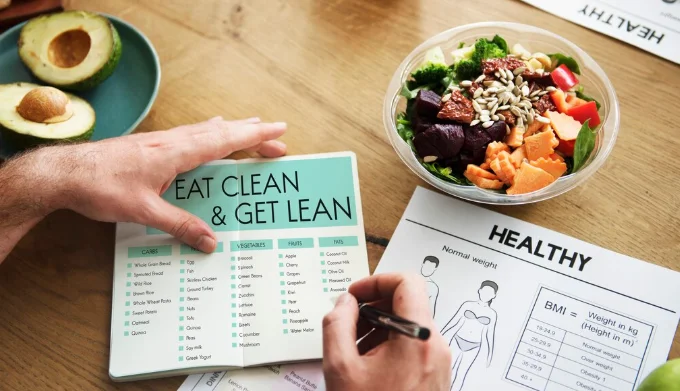
Food choices play the biggest role in achieving results. A balanced diet gives energy while keeping calories in check. Focus on whole foods instead of processed options.
Protein, fibre, and healthy fats keep you fuller for longer. This reduces cravings and supports fat loss naturally. Staying hydrated also helps control appetite.
Building Balanced Meals
Include lean proteins like chicken, fish, or beans. Add colourful vegetables, whole grains, and healthy fats such as avocado or nuts. These combinations provide nutrients your body needs.
Eating smaller, balanced meals throughout the day helps maintain energy. Avoid skipping meals because it often leads to overeating later.
Avoiding Common Food Traps
Processed snacks, sugary drinks, and fast food slow down progress. These foods are high in calories but low in nutrition. Limiting them makes weight loss much easier.
Mindful eating also plays a role. Paying attention to hunger cues prevents emotional or unnecessary eating. This simple habit supports long-term results.
The Role of Exercise in Weight Loss

Exercise boosts calorie burn and keeps your body strong. It works best when combined with healthy eating. Aim for a mix of cardio and strength training for balance.
Cardio activities like walking, jogging, or cycling burn calories quickly. Strength training builds lean muscle, which improves metabolism. Together, they speed up results.
Finding Activities You Enjoy
Choose exercises that feel fun instead of stressful. Dancing, swimming, or hiking can be great options. When workouts feel enjoyable, it’s easier to stay consistent.
You don’t need a gym membership to succeed. Bodyweight exercises, resistance bands, or daily walks can give excellent results at home.
How Often Should You Work Out
Experts suggest at least 150 minutes of moderate activity weekly. Strength training twice a week adds balance. This routine is realistic and fits most lifestyles.
Listen to your body, and increase intensity slowly. Pushing too hard, too soon, increases the risk of injury. Slow improvement is safer and more effective.
Lifestyle Changes That Support Weight Loss
Beyond food and exercise, lifestyle habits shape progress. Sleep, stress, and daily routines influence results more than most people realise. Simple changes can create powerful outcomes.
Good sleep keeps hormones balanced and reduces cravings. Stress management prevents emotional eating. Daily habits create the foundation for long-term weight control.
The Importance of Sleep
Lack of sleep increases hunger hormones and lowers energy. This often leads to overeating and poor food choices. Aim for seven to eight hours of quality sleep each night.
A consistent sleep routine helps your body recover and perform better during workouts. Rest is as important as nutrition and movement.
Managing Stress for Better Results

High stress makes it harder to stick to healthy habits. Many people eat more when stressed, slowing weight loss. Finding relaxation techniques helps keep progress on track.
Meditation, deep breathing, or even light walking can lower stress levels. Making time for hobbies also supports balance and focus.
Tracking Progress Over Three Months
Tracking helps you stay motivated and accountable. Small wins add up to big changes. Regular check-ins show what’s working and what needs adjustment.
You can track weight, body measurements, or even fitness levels. Celebrate progress beyond the scale, like improved energy or better sleep.
Why the Scale Isn’t Everything
Weight fluctuates daily due to water, hormones, and food intake. Relying only on the scale can be discouraging. Measuring progress in different ways feels more rewarding.
Taking photos or noticing clothing fit also reflects true progress. These non-scale victories often show results earlier than numbers.
Staying Motivated for Long-Term Success

Motivation can fade, so building discipline is vital. Setting small goals makes the journey less overwhelming. Each milestone boosts confidence and keeps you moving forward.
Remind yourself why you started. A clear purpose helps you stay committed during challenges. Progress becomes more rewarding when connected to personal goals.
Common Mistakes: How Much Weight Can One Lose in 3 Months
Many people try shortcuts that do not last. Crash diets, skipping meals, or relying on supplements often slow progress instead of speeding it up.
Focusing only on quick fixes creates frustration. Building real habits gives you results that last beyond three months.
Crash Diets and Extreme Restrictions
Very low-calorie diets may cause fast weight loss, but results rarely last. These methods often harm energy levels and metabolism.
Balanced eating creates steady results without leaving you exhausted. Choosing sustainability prevents rebound weight gain.
Over-Exercising Without Rest
Exercising too much can lead to burnout and injuries. Rest days are important for recovery. Without balance, workouts become harmful instead of helpful.
Listening to your body prevents setbacks. Recovery time keeps you strong and consistent.
So, How Much Weight Can One Lose in 3 Months
On average, a healthy goal is 12 to 24 pounds in three months. This range is realistic and safe for most people. Progress depends on diet, exercise, and daily habits.
Consistency matters more than perfection. Building steady routines helps maintain results beyond the first three months. Safe methods always win over extreme approaches.
Updated Advice: How Much Weight Can One Lose in 3 Months
Today, apps and trackers make weight loss easier. Digital tools help monitor food, activity, and progress. They keep motivation high and build accountability.
Wearable devices track heart rate, steps, and calories burned. Online communities also give support and encouragement. These modern tools add structure to your journey.
Combining technology with traditional methods creates the best results. It provides insights that make weight loss more manageable and fun.
FAQs About How Much Weight Can One Lose in 3 Months
How much weight can you lose in 3 months?
Safely 12–24 pounds (1–2 pounds per week).
Can you lose 30 pounds in 3 months?
Possible, but harder to sustain. Safer to aim for gradual loss.
Do I need to exercise daily?
No. At least 150 minutes of activity weekly, plus strength training, is enough.
What’s the best diet for weight loss?
Balanced meals with protein, veggies, whole grains, and healthy fats.
Why avoid crash diets?
They cause fatigue, muscle loss, and rebound weight gain.
Can apps and trackers help?
Yes, they monitor food, workouts, and keep motivation high.