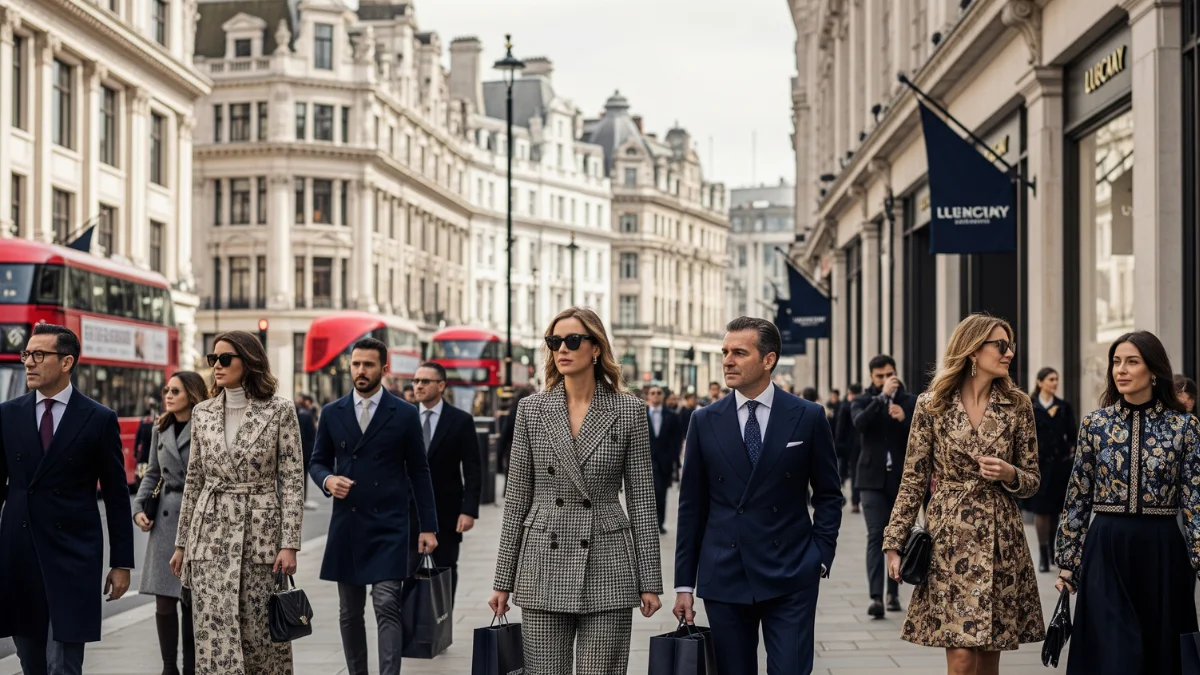
London remains a global fashion capital, blending heritage, innovation, and exclusivity. London luxury fashion brands showcase British craftsmanship, bold aesthetics, and timeless elegance, from Burberry’s trench coats to Stella McCartney’s sustainable edge.
London’s luxury fashion brands, such as Burberry, McQueen, and Stella McCartney, embody heritage, innovation, and sustainability. They define British luxury with timeless designs, exclusive craftsmanship, and modern appeal. These brands highlight London’s global influence in fashion excellence.
What Defines London Luxury Fashion Brands
London luxury fashion brands balance heritage, design, and exclusivity. They often emerge from historic tailoring traditions, haute couture houses, or innovative studios. Hallmarks include craftsmanship, premium materials, iconic signatures, and strong international recognition.
These brands represent British elegance while embracing modern values. Sustainability, digital fashion, and inclusivity shape their evolution. From bespoke tailoring to sustainable collections, London’s luxury identity blends tradition with innovation, ensuring global respect and long-term cultural influence.
Iconic London Luxury Fashion Brands
Burberry: The Trench Coat Pioneer
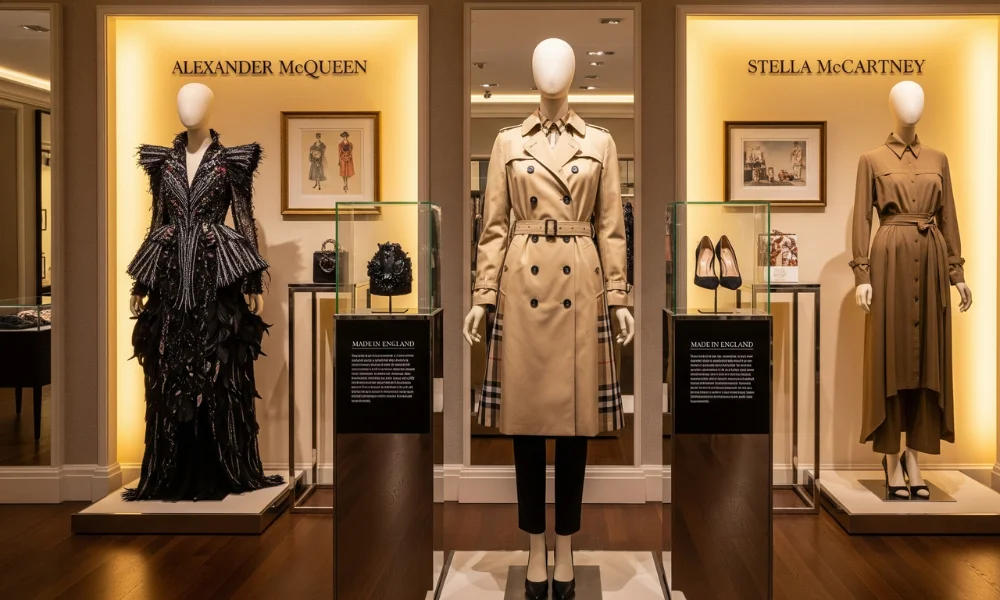
Burberry is perhaps the most recognized of all London luxury fashion brands. Founded in 1856, it transformed outerwear with the invention of gabardine fabric. Its trench coats remain timeless icons of British sophistication and craftsmanship.
The brand masterfully blends tradition with modernity. Its check pattern became a global symbol, while recent collections focus on sustainability and digital innovation. Burberry continues to redefine luxury with adaptive strategies and bold creative directions.
Alexander McQueen: Avant-Garde Vision
Alexander McQueen represents fearless creativity among London’s luxury fashion brands. Known for its theatrical runway shows, the house celebrates bold tailoring, Gothic romanticism, and groundbreaking silhouettes that continue to influence contemporary fashion culture worldwide.
Under creative director Sarah Burton, the brand upheld McQueen’s legacy with refined collections. Haute couture-level craftsmanship combines with storytelling, creating garments that are admired for both their technical excellence and artistic depth. It remains a symbol of daring luxury.
Stella McCartney: Sustainable Luxury Leader
Stella McCartney revolutionized London’s luxury fashion brands with her ethical vision. From the beginning, she rejected leather and fur, proving sustainable practices could thrive in the luxury industry. Her collections highlight feminine tailoring and eco-conscious innovation.
The brand champions sustainable materials, circular fashion, and transparency. Stella McCartney appeals to environmentally aware luxury consumers, setting benchmarks in responsible design. This balance of style and ethics distinguishes her as a modern icon in London.
Victoria Beckham: Contemporary Elegance
Victoria Beckham’s label embodies refined modernism within London’s luxury fashion brands. Launched in 2008, it evolved from celebrity roots into a respected fashion house. Her designs emphasize minimalism, structured tailoring, and understated elegance, making them suitable for global wardrobes.
The brand has expanded into accessories and beauty while maintaining its roots in London. Beckham’s collections appeal to women seeking sophistication with versatility, balancing luxury with wearability. This balance ensures her brand’s enduring presence in the luxury fashion industry.
Vivienne Westwood: Punk Meets Luxury
Vivienne Westwood shaped British identity in fashion history. Among London luxury fashion brands, she represents rebellious creativity. Her punk-inspired collections challenged norms, transforming subculture into luxury designs recognized worldwide.
Westwood’s activism-focused brand combines avant-garde style with sustainability. Her legacy endures through bold prints, corsetry, and structured tailoring. Today, Vivienne Westwood remains a beacon of individuality, activism, and fearless innovation in British luxury fashion.
Emerging London Luxury Fashion Brands
Roksanda: Artistic Femininity
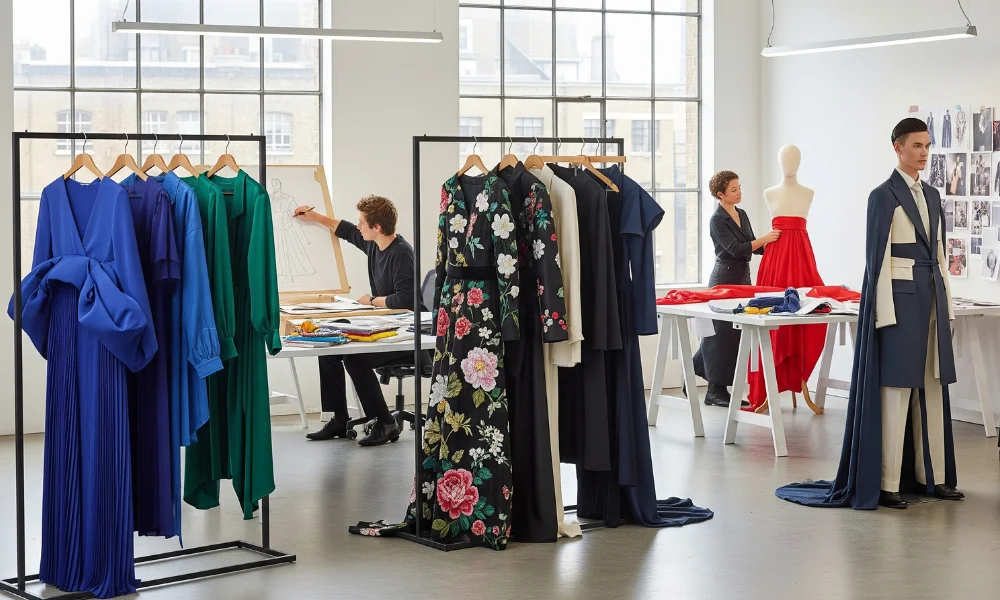
Roksanda Ilincic built her brand around architectural silhouettes and vibrant colors. Among London luxury fashion brands, Roksanda celebrates artistic femininity. Her pieces are statement-making yet wearable, often favored by royalty and celebrities worldwide.
Her collections highlight fluid dresses, bold tailoring, and attention to fabric detail. Roksanda bridges art and fashion, turning modern luxury into expressive elegance. She represents the new guard redefining London’s place in global luxury design.
Erdem: Romantic Craftsmanship
Erdem Moralıoğlu’s label stands for romanticism and intricate prints. It enriches London luxury fashion brands with storytelling. His collections often feature florals, embroidery, and couture-level attention to detail, appealing to refined global buyers.
Erdem blends history and modernity with feminine silhouettes. Dresses frequently draw from cultural inspirations, literature, and vintage aesthetics. This design philosophy creates luxurious garments deeply rooted in artistry, heritage, and emotional connection.
JW Anderson: Contemporary Innovation
JW Anderson brings gender fluidity and innovation to London luxury fashion brands. His bold experimentation with shapes and materials challenges conventions, creating new dialogues around contemporary identity within the evolving landscape of luxury fashion.
The brand’s forward-looking collaborations and playful designs gained international recognition. JW Anderson balances artistic risk with commercial success, proving London’s luxury fashion scene thrives on experimentation as well as heritage.
Simone Rocha: Modern Romanticism
Simone Rocha stands out among emerging London luxury fashion brands for romantic, ethereal designs. Her collections highlight lace, pearls, and sculptural silhouettes. She blends tradition with modern storytelling, offering a poetic voice in luxury fashion.
The brand appeals to young, globally minded consumers who value individuality. Simone Rocha’s craftsmanship, combined with inclusivity and creative risk-taking, places her firmly within London’s thriving luxury fashion ecosystem for the future.
Comparison Table: Iconic vs. Emerging Brands
| Brand | Founded | Signature Style | Distinction | Sustainability Focus |
|---|---|---|---|---|
| Burberry | 1856 | Trench coats, checks | Heritage meets innovation | Strong commitments |
| Alexander McQueen | 1992 | Avant-garde tailoring | Artistic runway storytelling | Selective efforts |
| Stella McCartney | 2001 | Sustainable elegance | No leather/fur policy | Industry pioneer |
| Victoria Beckham | 2008 | Minimalist tailoring | Celebrity-to-designer success | Moderate |
| Vivienne Westwood | 1971 | Punk luxury | Activism + rebellion | Strong advocate |
| Roksanda | 2005 | Architectural dresses | Artistic femininity | Growing practices |
| Erdem | 2005 | Romantic florals | Heritage-inspired storytelling | Selective efforts |
| JW Anderson | 2008 | Experimental designs | Gender-fluid innovation | Expanding focus |
| Simone Rocha | 2010 | Modern romanticism | Sculptural femininity | Moderate attention |
Shopping in London: Luxury Fashion Brands
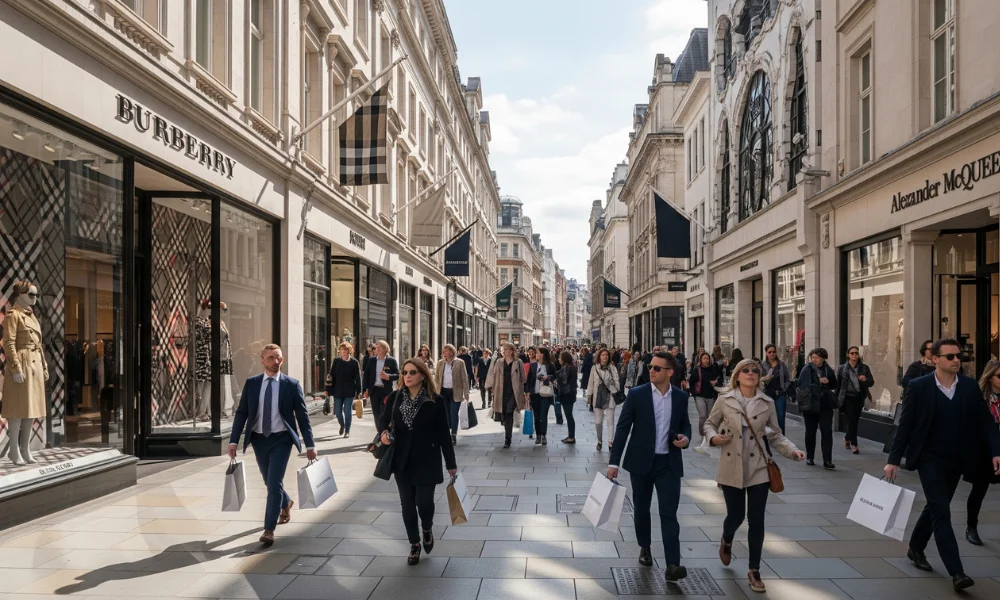
Flagship Stores in London
Shopping for London luxury fashion brands often begins with flagship boutiques. Bond Street, Sloane Street, and Mayfair house prestigious stores, where heritage meets modern luxury. These areas offer immersive shopping experiences, featuring exclusive collections and personalized service.
Flagship stores are more than retail spaces. They showcase craftsmanship, heritage, and storytelling through architecture, interiors, and curated experiences. Luxury shoppers visiting London often prioritize these spaces for authentic brand encounters and exclusivity.
London Department Stores
Department stores like Harrods, Selfridges, and Harvey Nichols carry London luxury fashion brands. These destinations host curated selections under one roof, offering convenience, exclusivity, and access to seasonal collections from leading British designers.
Harrods in Knightsbridge remains an iconic stop for global luxury consumers. Selfridges appeals with its innovative curation and cultural events. Harvey Nichols combines heritage with contemporary fashion, ensuring London continues as a luxury shopping hub.
Online Luxury Shopping
E-commerce platforms expand access to London luxury fashion brands. Net-a-Porter, MatchesFashion, and Farfetch feature collections from British designers. These sites blend convenience with exclusivity, offering global delivery and access to limited pieces.
Online shopping includes personalized services, virtual styling, and sustainability-focused filters. Consumers exploring London’s luxury brands digitally experience curated collections, reflecting how luxury retail evolves beyond flagship stores and department spaces in the digital age.
Choosing the Right London Luxury Fashion Brand
Aligning with Personal Style
Choosing from London luxury fashion brands depends on personal aesthetic. Burberry suits lovers of heritage and timeless style. Alexander McQueen appeals to bold, avant-garde consumers. Stella McCartney resonates with sustainability-focused luxury shoppers globally.
Victoria Beckham is ideal for those who prefer minimal, versatile elegance. Vivienne Westwood aligns with rebellion and activism. Emerging names like Roksanda or Simone Rocha suit buyers seeking modern creativity and expressive romantic styles.
Considering Sustainability and Values
Modern buyers of luxury fashion brands in London often consider sustainability. Stella McCartney leads in eco-conscious design. Vivienne Westwood and Burberry also emphasize sustainable practices, reflecting the industry’s shift toward responsibility and innovation.
Ethical concerns shape brand choices, from sourcing materials to circular fashion practices. Younger consumers demand transparency, responsibility, and creativity. Aligning with values ensures luxury purchases carry meaning beyond aesthetics or status.
Future of London Luxury Fashion Brand
Digital Innovation in Luxury
The future of London luxury fashion brands lies in digital innovation. Virtual showrooms, augmented reality, and digital clothing expand brand reach. These tools redefine exclusivity, connecting global consumers with immersive luxury experiences.
Brands experiment with NFTs, virtual collections, and metaverse collaborations. This shift reflects how London’s luxury fashion sector embraces technology while maintaining its craftsmanship. The combination of digital and heritage ensures ongoing influence on global fashion culture.
Sustainability as Core Strategy
Sustainability remains essential for London luxury fashion brands. Circular fashion models, recycled textiles, and eco-materials define future practices. Stella McCartney leads, but Burberry and Westwood also innovate responsibly, pushing the entire industry forward.
Luxury consumers increasingly demand that brands prioritize ethics alongside exclusivity. London designers respond by integrating sustainability into brand DNA. This evolution ensures relevance for generations while preserving British luxury heritage and global leadership.
Global Influence and Expansion
London luxury fashion brands strengthen global influence through flagship stores abroad, celebrity endorsements, and cultural collaborations. Their expansion secures a presence in fashion capitals like Paris, New York, and Tokyo, while retaining its London heritage.
This expansion highlights the city’s status as a creative powerhouse. London houses strike a balance between tradition and global adaptability, proving that British luxury can thrive on international stages while maintaining cultural authenticity.
Extended Comparison: London Luxury Fashion Brands
| Brand | Year | Strengths | Target Audience | Global Presence |
|---|---|---|---|---|
| Burberry | 1856 | Heritage + Innovation | Classic luxury lovers | Flagships worldwide |
| Alexander McQueen | 1992 | Avant-garde storytelling | Bold, fashion-forward buyers | Global runway impact |
| Stella McCartney | 2001 | Sustainable luxury | Eco-conscious consumers | Expanding globally |
| Victoria Beckham | 2008 | Minimalist elegance | Modern professional women | Strong EU/US markets |
| Vivienne Westwood | 1971 | Punk-inspired activism | Rebellious, creative buyers | Iconic UK + overseas |
| Roksanda | 2005 | Architectural femininity | Artistic statement seekers | Global boutiques |
| Erdem | 2005 | Romantic floral designs | Lovers of heritage elegance | Global stockists |
| JW Anderson | 2008 | Experimental creativity | Youthful, fluid-minded buyers | Strong international |
| Simone Rocha | 2010 | Poetic romanticism | Younger luxury enthusiasts | Growing recognition |
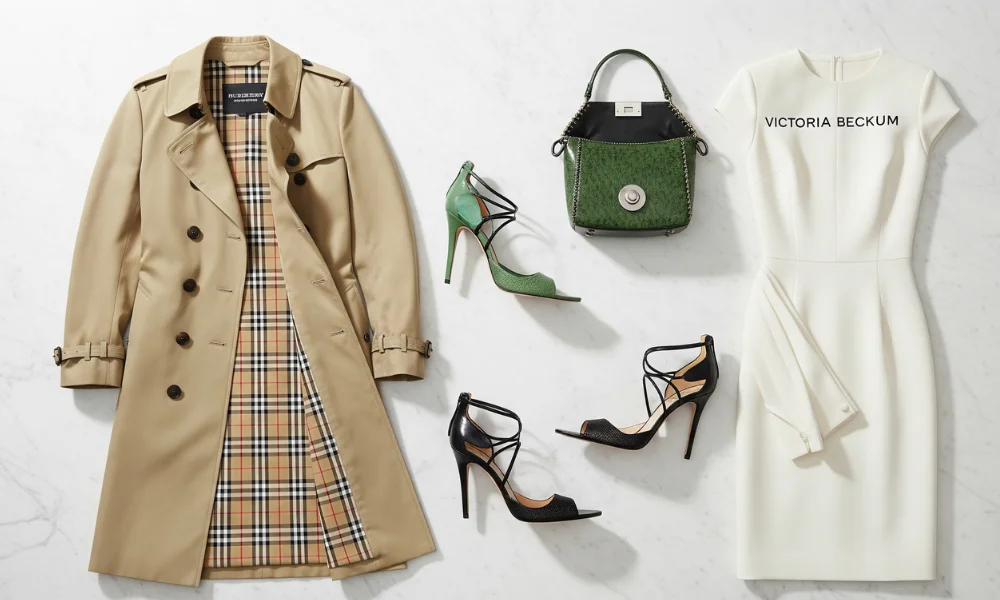
FAQs on London Luxury Fashion Brands
Q1: What are the most famous London luxury fashion brands?
Burberry, Alexander McQueen, Stella McCartney, Victoria Beckham, and Vivienne Westwood are internationally recognized leaders representing heritage, innovation, and sustainability in British luxury fashion.
Q2: Which London luxury brands are most sustainable?
Stella McCartney leads with strong eco-friendly practices. Vivienne Westwood and Burberry also prioritize sustainability, showing how luxury design can embrace responsibility without compromising creativity or exclusivity.
Q3: Where can I shop for London luxury brands in person?
Bond Street, Sloane Street, and department stores like Harrods and Selfridges are prime destinations. These spaces showcase flagship boutiques and curated selections from London’s top luxury designers.
Q4: Are emerging London brands worth exploring?
Yes, designers like Roksanda, Erdem, JW Anderson, and Simone Rocha represent the new wave of creativity. They blend modern aesthetics with heritage craftsmanship, offering fresh perspectives in British luxury fashion.
Q5: Why are London luxury fashion brands globally respected?
They combine centuries-old tailoring traditions with bold innovation. Heritage, sustainability, and experimentation define their unique identity. This balance keeps London’s luxury fashion influential and relevant worldwide.
Conclusion
London luxury fashion brands unite heritage, craftsmanship, and innovation. From Burberry’s timeless trench to Stella McCartney’s eco-leadership, these houses symbolize British creativity and global influence within the evolving luxury market.
Emerging designers like JW Anderson and Simone Rocha expand this legacy with fresh, modern perspectives. Together, established and rising names ensure London remains a vibrant capital of luxury fashion, driving culture, sustainability, and global style.